

Best Seller
Fave

Total Restore®
The Ultimate Gut Guardian
Regular Price
$69.95
Account Price
$49.95
Best Seller
Vital Reds®
The Perfect Daily Pick-Me-Up†
Regular Price
$69.95
Account Price
$49.95

Home » What Are Oxalates?


Have you been reading about oxalates and oxalate formulas? If you study up on health and nutrition, you’ve likely run across these terms already. They are buzzwords in the diet and wellness communities right now.
However, some nutritionists are cautioning against the consumption of oxalates right now. But those nutritionists seem to be mistaken. Oxalates are natural substances in many of your favorite truly healthy foods.
So then why are some nutritionists cautioning their clients to stay away from oxalates? Well, they are simply sounding the alarm over a compound that may affect a few, specific types of people. Really, unless your doctor tells you you’ll have a problem with oxalates, don’t rule them out just yet.
Let’s take a look at exactly what oxalates are and who might be better off avoiding them.
Oxalates, sometimes collectively dubbed oxalic acid, are naturally occurring compounds in certain plant foods that can bind to the calcium in your body as your system digests. If oxalate binds to calcium in your stomach and intestines and it will leave your body as does all solid waste — in your stool.1
But if you consume oxalates that don’t bind to the calcium in your body, it can travel as waste from your blood to your kidneys where it will then leave your body by way of your urinary tract.2
Below, you’ll find a list of some of the best plant-based foods that are relatively rich in oxalates:
Now, the purpose of oxalates in plants is to get rid of the excess calcium in their systems by binding to it. And that’s great if you’re a plant. But when it comes to human health, calcium oxalate monohydrates seem to be up for discussion.

The concern around oxalates has to do with their ability to bind to calcium and sometimes minerals like iron (aka ferric oxalate). Why does this worry some? Well, for those who are predisposed, kidney stones develop when your urine becomes saturated with insoluble compounds containing calcium, oxalate, and phosphate.5

This saturation can sometimes lead to dehydration. And there are some people out there who are genetically predisposed to excrete these ions in their urine. But only about 5% of Americans encounter this predisposition.6
For most people, consuming oxalates isn’t a big deal because the oxalates are simply excreted as waste. However, if you know you are predisposed to oxalate issues or kidney stones, that’s when you’ll want to skip oxalate-rich food. Talk to your doctor to see if you are in the clear or if you are better off avoiding oxalates altogether.
A quick word about kidney stones: There are several different kinds of kidney stones like uric acid stones and oxalate stones. However, 8 out of 10 kidney stones are calcium oxalate stones.
So, if you’re predisposed and there is too high a level of oxalic acid in your urine (and too little liquid in it) you’ll likely develop stones. When the calcium oxalate crystals rise in number, they’ll stick to each other and form bigger oxalate calcium crystals — those are kidney stones.7

If you know you have something like primary hyperoxaluria (recurrent kidney stones), you will want to steer clear of oxalates.8 And, if you’ve experienced any kidney stones in the past or your family has a history of them, you should check in with your healthcare professional about starting a low-oxalate diet.
Diets high in sodium chloride may also trigger kidney stones by upping the amount of calcium in your urine.9 So if you’re prone to kidney stones, talk to your doctor about incorporating a low-sodium diet.
But again, for the majority of people, oxalates are quite safe. And if you actually give up oxalate-rich foods, you’ll be giving up all the fiber, phytonutrients, vitamins, and minerals that come in these great oxalate-rich foods:
Look at that beautiful list. Aren’t those all foods to be enjoyed on a healthy lectin-free diet? Unless your doctor has specified otherwise, you should be eating those foods regularly.

Now, if it turns out that you’re still worried about losing calcium due to eating oxalate-rich foods, there are calcium-rich foods that can help you to up your calcium intake:
 Broccoli — Broccoli is not only rich in calcium, but the absorption rate of calcium from broccoli is nearly 41%. That’s even higher than the absorption rate of calcium from traditional milk. So, broccoli is a wonderful food when it comes to enriching your nutritional calcium intake.10
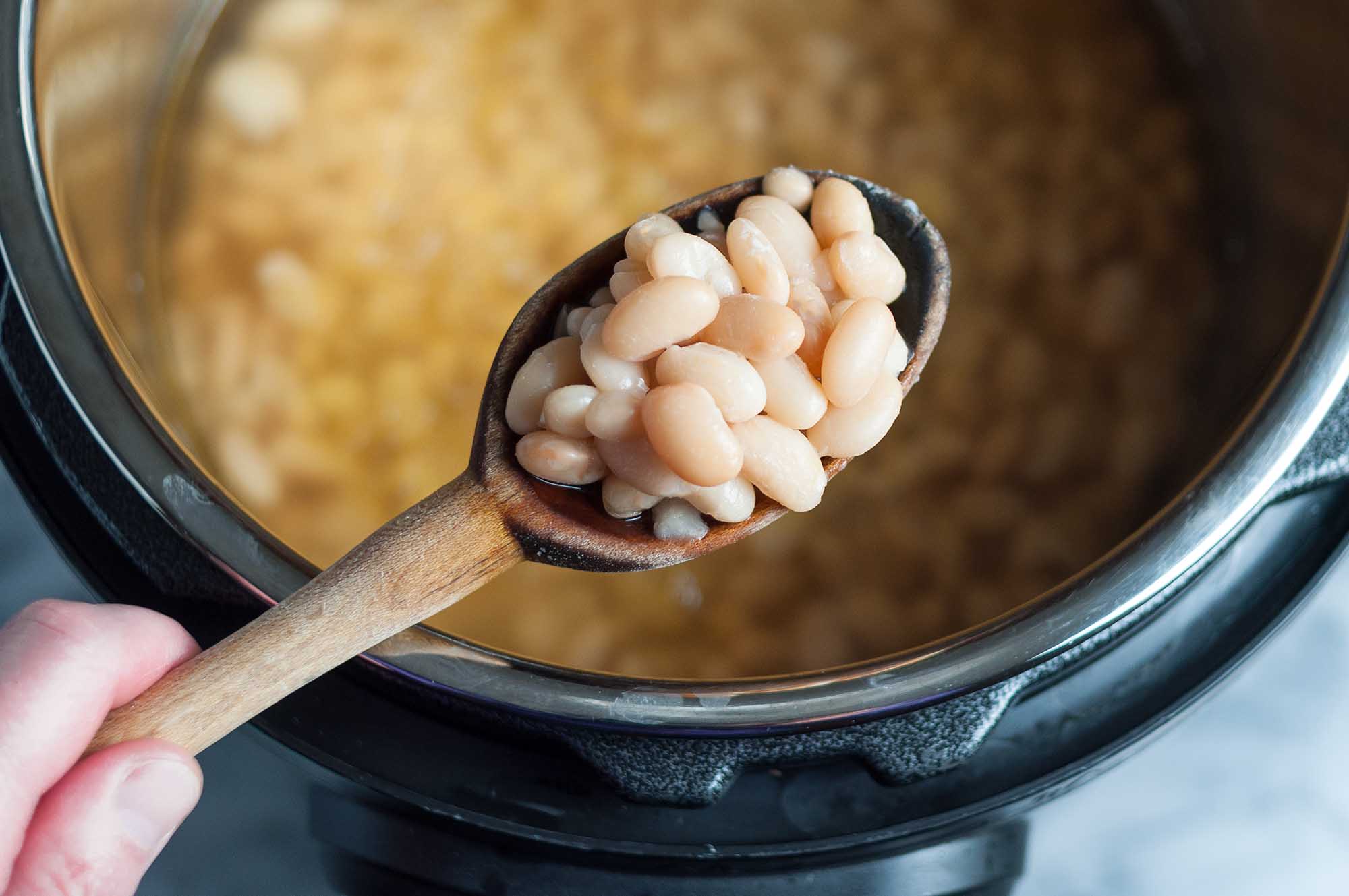 Pressure-cooked lentils — Lentils contain a good amount of calcium and are known for helping to reduce insulin issues, obesity, and some heart health concerns. Just make sure if you decide to indulge in a lentil dish to use the pressure cooker when preparing it.
And if you’re still concerned about the oxalate content in your kale, rhubarb, or spinach you can cook, steam, or boil them to slightly reduce the oxalate content. Then you can still enjoy the taste — and other health benefits — spinach, rhubarb, and kale have to offer.
So, unless you are predisposed to oxalate issues, go ahead and saute that kale and eat that piece of dark chocolate. And if you’re unsure or have any questions or concerns regarding the effect of oxalate-rich foods on your health, speak with your doctor. There’s a good chance you’ll be able to benefit from these foods without any consequences.
Sources
1 https://www.kidney.org/atoz/content/what-are-oxalate-kidney-stones
2 https://www.kidney.org/atoz/content/what-are-oxalate-kidney-stones
3 https://www.ncbi.nlm.nih.gov/pubmed/24393738
4 https://www.sciencedirect.com/science/article/abs/pii/S0889157511000822
5 https://www.ncbi.nlm.nih.gov/pmc/articles/PMC4525130/
6 https://www.ncbi.nlm.nih.gov/pmc/articles/PMC4525130/
7 https://www.kidney.org/atoz/content/what-are-oxalate-kidney-stones
8 https://ghr.nlm.nih.gov/condition/primary-hyperoxaluria
9 https://www.health.harvard.edu/blog/5-steps-for-preventing-kidney-stones-20131004672
10 https://www.ncbi.nlm.nih.gov/pmc/articles/PMC4549924/
11 https://www.ncbi.nlm.nih.gov/pmc/articles/PMC4549924/
Make Gundry MD™ a part of your health and wellness lifestyle
Exclusive discounts, early access, free US shipping, Subscribe & Save!
Three of our bestselling gut-supporting Gundry MD formulas join together to create this digestion-boosting bundle.
Three of our bestselling gut-supporting Gundry MD formulas join together to create this digestion-boosting bundle.
Uncover the science behind our premium-quality ingredients and how they can contribute to your health goals.
Our most popular products
Best Seller
Fave
The Ultimate Gut Guardian
Regular Price
$69.95
Account Price
$49.95
Best Seller
The Perfect Daily Pick-Me-Up†
Regular Price
$69.95
Account Price
$49.95
Gundry MD Coupons
Active Advantage Coupon
Energy Renew Coupon
Lectin Shield Coupon
Metabolic Advanced Coupon
Polyphenol Dark Spot Diminisher Coupon
Polyphenol Rich Olive Oil Coupon
PrebioThrive Coupon
Gundry MD Reviews
Active Advantage Customer Reviews
Bio Complete 3 Customer Reviews
Energy Renew Customer Reviews
Polyphenol Dark Spot Diminisher Customer Reviews
Polyphenol-Rich Olive Oil Customer Reviews
Most Popular Gundry MD Articles
5 Ways to Remove Lectins From Your Favorite Foods
Weekday Recipe Ideas For Breakfast, Lunch, And Dinner On A Lectin-free Diet
Top Foods For Mitochondrial Uncoupling
The Truth About Lectins In Rice: Does Rice Have Lectins?
The Dr. Gundry Diet Food List: A Comprehensive Lectin-Free Diet Plan
Is Wheatgrass Really Good For You?
A Quick Cereal Recipe For Your Breakfast (Lectin-free)
A Low-Lectin Lifestyle: Are Cucumbers High In Lectins?
Consuming Dairy Products On A Lectin-free Diet: What To Eat And What To Avoid
The Health Benefits Of The Coconut
What Dr. Gundry Wants You To Know About Chia Seeds
A Comprehensive List of “Deadly” Nightshades
7 High Sugar Fruits To Ban (Plus, Which Fruits To Eat Instead)
Reducing Dietary Lectins: Do Almonds Have Lectins?
How To Make Tomatoes Safer To Eat
Dr. Gundry’s Carrot Cake Muffins Recipe (Lectin-free)
How to Kick-Start a Lectin-free Diet (the 3-day detox)
Loading...