
 USD
USDFree U.S. Shipping for Orders $49+
Subscribe & Save
 USD
USDFree U.S. Shipping for Orders $49+
Subscribe & Save
Shop Categories
Best Sellers

New From Homekind™ by Gundry MD
A portable 5-stage medical-grade air purifier with your choice of HEPA 13 or HEPA 14 filtration — designed to help support cleaner air at home.
Your Health Education Center
New
Online Course
Dr. Gundry's
A step-by-step online course to help you slim down, boost energy, and feel years younger — in just 90 days.
Featured Articles
Featured Recipes
Let’s be honest – it can be hard to cut out lectin-heavy foods from your diet entirely… especially if we’re talking about dietary stables you depend on. Now, you should try to avoid lectin-rich foods as much as possible – but if that’s not an option for you, there are a few things you can
Indulgence is part of human nature. And you should be able to indulge in something decadent when you crave it. But knowing what to indulge in can keep you on track and feeling better in the long run. So, what do you crave? How about this lectin free bread mix recipe for a rolled hazelnut
Being on a lectin-free diet isn’t about deprivation. It’s about teaching yourself the best ways to make most of the foods you love — even comfort foods — without using lectin-rich ingredients. And if you miss doughy, fragrant, savory cheesy bread, this lectin-free bread mix recipe is for you. Dr. Gundry’s take on garlic cheddar
Three cheers for summer nights! And for a tasty, lectin-free BBQ.
If you grew up loving matzo ball soup at your family’s Jewish holiday celebrations, but you’re avoiding gluten (and pesky lectins), this one’s for you. This Gluten-Free, Lectin-Free Chicken Soup with Millet Matzo Balls, created by Claudia Curici, takes all the comfort and tradition of classic Jewish matzo ball soup and gives it a gut-friendly
Here it is! – This Halloween, treat your guests to something delicious and deceptively healthy! My Spooky 7-Layer Halloween Taco Dip is a frightfully fun twist on a party classic — layered with gut-nourishing, lectin-friendly ingredients like creamy guacamole, antioxidant-rich pomegranate salsa, and fiber-packed black beans. Each bite is bursting with flavor and supports your
Indulgence is part of human nature. And you should be able to indulge in something decadent when you crave it. But knowing what to indulge in can keep you on track and feeling better in the long run. So, what do you crave? How about this lectin free bread mix recipe for a rolled hazelnut
Being on a lectin-free diet isn’t about deprivation. It’s about teaching yourself the best ways to make most of the foods you love — even comfort foods — without using lectin-rich ingredients. And if you miss doughy, fragrant, savory cheesy bread, this lectin-free bread mix recipe is for you. Dr. Gundry’s take on garlic cheddar
Shop
BESTSELLERS
TOP CATEGORIES
Learn
Dr. Gundry's Total Body Transformation Plan
The Dr. Gundry Diet Food List
Your Health Education Center
Healthy Foods & Eating
Living Well & Fit
Lectin-free Recipes
About Supplements
About Lectin-free Food
About Skin & Hair Care
Ingredient Resource Center
Books by Dr. Gundry
About Dr. Gundry
USDAccount Main
Profile & Settings
Orders
Subscriptions
Warranty Registration
Home » The Dr. Gundry Diet Food List: A Comprehensive Lectin-Free Diet Plan


Article Updated: August 9, 2024
It’s an exciting time to be health-conscious. For decades, the health food industry fooled you into eating special “diet” food products that were actually loaded with sugar or potentially toxic artificial sweeteners. They advocated for you to add dangerous lectin-filled foods to your diet and even told you to pursue a “low-fat” (heavily processed) diet. And you felt health-smart because you were eating what you thought to be healthy foods, and making what you thought to be “nutritious choices.”
However, doctors and researchers have now discovered that those choices were anything but healthy eating. Dr. Gundry was among the first to lead the charge of busting health myths wide open. He realized that even “healthy food” choices, like fruits and vegetables, can take a toll on your gut health and, eventually, your entire body. And, in his book, The Plant Paradox, he began to advocate for avoiding lectins, a class of proteins found in numerous plants.
While some nutritionists were having you feast on high sugar fruits, Dr. Gundry knew that was a bogus attempt at a so-called better diet. The truth is… plants do not want to be eaten. What they really want is to survive. And the most effective way for them to defend themselves against hungry predators like humans is by producing toxic chemical proteins called lectins.

You’ve likely heard people mention the popular lectin, gluten – it’s one of the most common lectins out there. But it’s not the only one. In fact, lots of the “healthy” foods you’ve been trained to eat for centuries are still full of dangerous lectins, including foods labeled as “gluten-free”.
When it comes to educating yourself about these harmful compounds, you might want to look into studies that discuss lectin sources, types of lectins, and the lectin content of foods – especially lectin levels in the recipes you make.
But no matter the lectin, one thing is for sure… Humans can’t digest lectins.
So, when you choose categories of foods to consume that are high in lectins — like nightshade vegetables, for example — they make it all the way through your gut unchanged. During the digestive process, some types of lectins might even bind to the cell membranes that run along the wall of your small intestine. This process allows lectins to communicate with the cells, triggering a response from your body and potentially leading to a condition termed leaky gut syndrome, where small openings occur in the gut walls.1
Regardless of any preexisting health conditions, your body’s response may include gut health disturbances, like:

Of course, all bodies are different. But people who eat a lot of raw, lectin-rich foods (like raw beans, raw kidney beans, lentils, and nightshades) may be more likely to develop such symptoms. Depending on the type of lectin, they may also interfere with human health in other ways. They might interrupt the absorption of vitamins and minerals in your body. Because of this, lectins are often called “anti-nutrients.”5
Now, some people are more sensitive to lectins than other people. Again, everyone’s body is different. But if you have experienced digestive issues for some time or you suffer from an autoimmune condition, you could be even more sensitive to lectins.6 Either way, it’s a good idea to chat with your doctor about starting an elimination diet that removes lectins. Ask them about the risks of changing your diet in general. From there, listen to your body and see if a lectin-free diet could be the right thing for you and your gut health.
The good news is, if you take the principles of Dr. Gundry’s diet to heart, you can learn to reduce or remove lectins from your diet and support your overall health and well-being. And although it will require making some lifestyle changes, going lectin-free may be easier than you think. So, how do you know what foods to consume and what to steer clear of? Here is a compact list of foods to avoid.
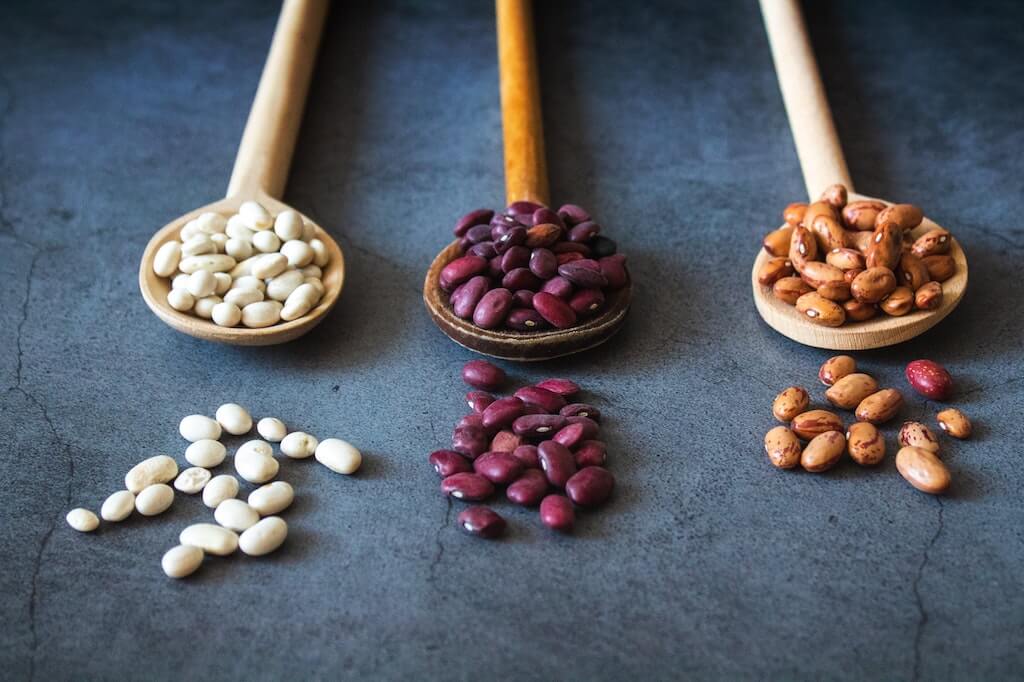
Phytohaemagglutinin is the lectin in red kidney beans. It happens to be pretty toxic. Phytohaemagglutinin is the culprit behind red kidney bean poisoning. This type of poisoning is the result of eating undercooked or raw kidney beans. According to the FDA, eating just four raw kidney beans may cause symptoms of severe nausea, vomiting, and diarrhea.7
Another dangerous lectin is WGA — the lectin found in wheat products. WGA basically mimics insulin. Therefore, it can block your body’s insulin receptors. Unfortunately, that may lead to decreased muscle mass and feelings of hunger.8,9
To make things easier, Dr. Gundry has put together a few different tools to help you to stick to a lectin-free diet. One such tool is Dr. Gundry’s comprehensive list of foods to eat and foods to avoid.
You’ll want to avoid high-lectin foods every single day. However, if a special occasion is on the horizon and you know you’ll have to prepare lectin-rich foods, these strategies could help you reduce the lectin content in your dishes.
Avocados have got a whopping 10.5 grams of fiber per cup plus lots of vitamin C, E, and potassium. And, they’re full of folate. They are also full of amazing fatty acids that can do wonders for your health. These fats can support your skin’s natural oil barrier and help protect your skin from harmful UV rays.15 The healthy fats in avocados can also support healthy weight loss and a healthy heart.16
Here’s a secret: Some “nuts” are really just seeds. Cashews, for instance, are seeds and they’re also full of lectins. And peanuts are actually legumes. Of course, legumes are lectin bombs, so you’ve got to stay away from them. But real nuts – like walnuts, macadamia nuts, and pistachios – can do great things for your health. In fact, nuts can help support a healthy heart and blood pressure.17 Love macadamias? Check out our delicious polyphenol macadamia bars over here.
Indulge in an ounce of extra dark chocolate as an afternoon snack. The real benefit of chocolate lies in plant-derived cocoa, which is the main ingredient in commercial chocolate.18 Cocoa is full of antioxidants and flavonoids which have amazing health properties. Some of these benefits include supporting your body in the fight against free radicals, and supporting heart health.
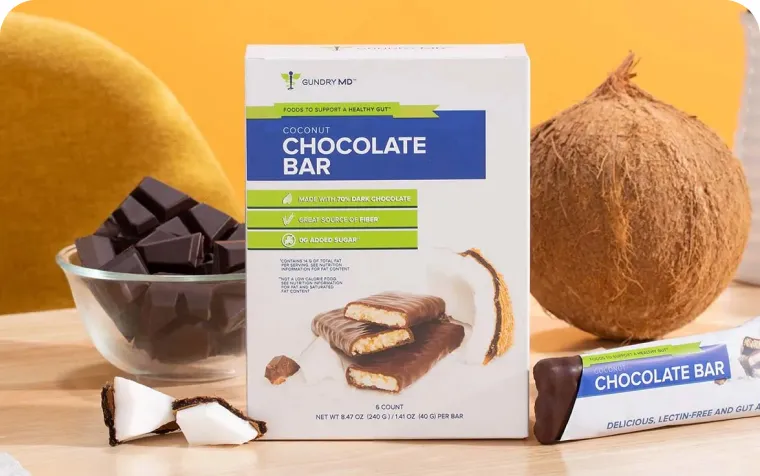
When you select your chocolate pleasure, opt for the right bars – that means chocolate that’s 72% cacao… or more. Like our MCT-Infused Coconut Chocolate Bars and Sorghum Crisp Chocolate Bars. Consume dark chocolate in moderation (1 oz per day).
You know what they say — knowledge is power. Studying the differences between high and low lectin foods might help you to make the best choices. So, read up on lectins, and familiarize yourself with the foods that contain them.
Here are some other tips for lectin-free success:

Print this Dr. Gundry Diet Food List out, and hang it on your fridge. You can also put a copy in your car for actual trips to the grocery store! This way, you’ll always remember your personal favorites.

Embrace the bounty of this “Yes List” with open arms! This diverse directory of lectin-free foods encompasses an array of vibrant veggies, glorious greens, nuts, seeds, and select animal proteins. Shopping from this list means you’re loading your grocery cart with ingredients that work with your body, not against it. It’s the cornerstone of the lectin-free diet—foods that nourish and protect, serving as your allies in helping you achieve optimal health.*
**And please note, manufacturers tend to change ingredients on a regular basis. Double check the label to make sure these bars/flavors still have all YES foods in them.
**Can be eaten every day in limited quantity; those with prediabetes or diabetes should consume only once a week on average.
**Note: people with diabetes and prediabetes should initially limit these foods.
**Use with caution owing to its microplastics content; consume 4 ounces per day.
**See the Gut Check Food Plan chapter to find out why.
Limit to one small serving on weekends and only when that fruit is in season, or unlimited with “reverse juicing” (throw away the juice and consume only the pulp).
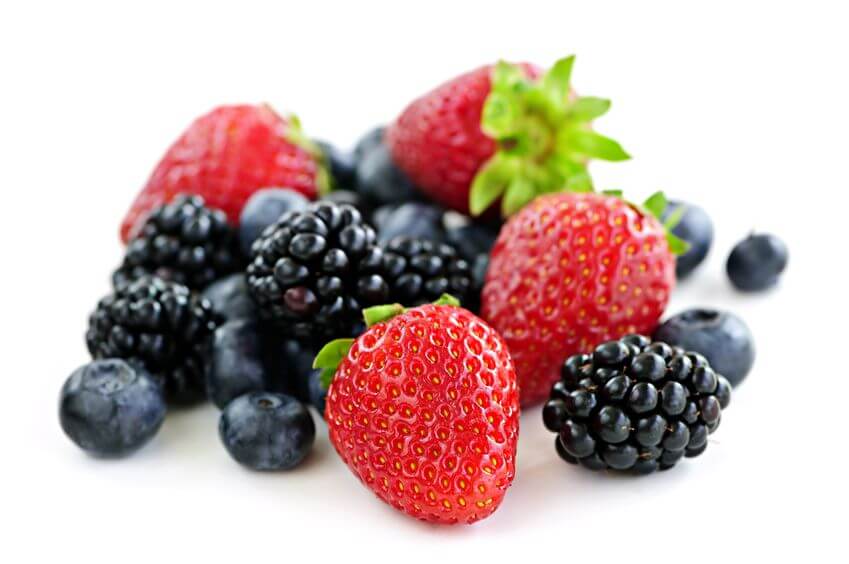
Best options are pomegranate and passionfruit seeds, followed by raspberries, blackberries, strawberries, then blueberries, grapefruit, pixie tangerines, and kiwi (eat the skin for more polyphenols).

**Check the labels closely, friends. Make sure those listed below are still compliant; companies change ingredients all the time.
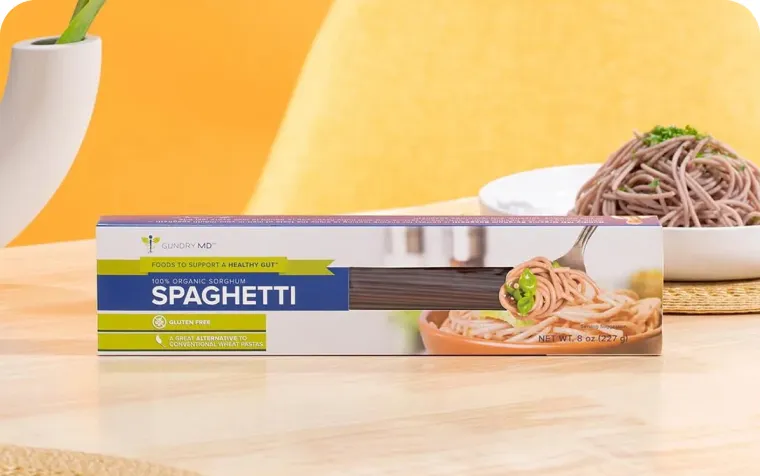
Consider this list your roadmap to avoiding the lectin landmines. These foods are high in lectins and include common culprits, like refined, starchy foods—think pasta, rice, and bread—as well as some dairy products, certain vegetables, like potatoes, and processed snacks. Reducing your intake of these items can be beneficial, particularly if you’re grappling with certain health issues.*
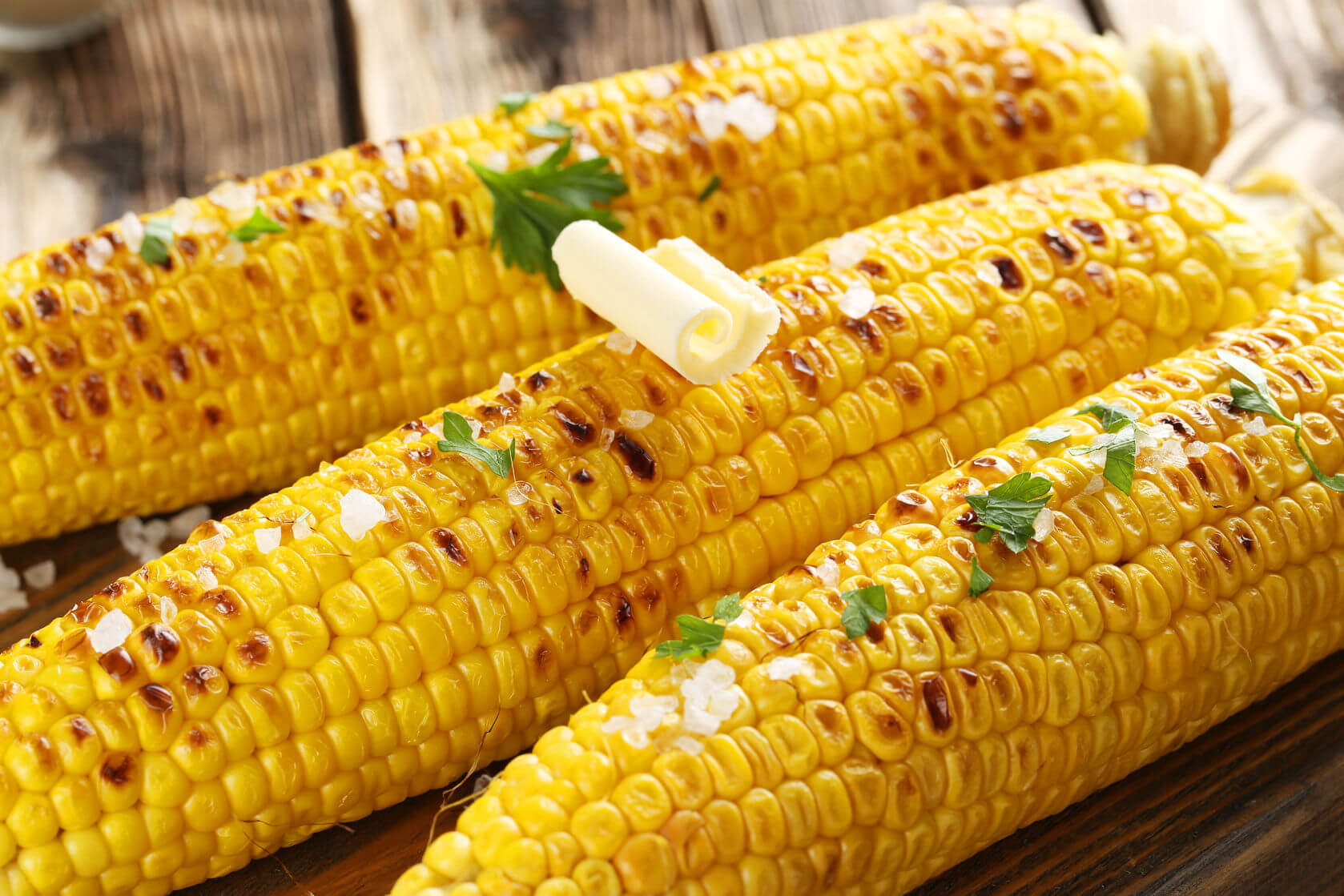
**Most of these can be made safe with pressure cooking, marked with an “*”
*Allowable only if property prepared in a pressure cooker.

You’ll find it nearly impossible to go astray when you’ve kicked all those lectin-filled foods to the curb and replaced them with this diverse selection of yummy YES foods.
Make an effort to say “yes” every day when you crave avocado, approved nuts, and even dark chocolate. You’ll get the swing of it in no time and soon see that you’re making truly healthy eating choices.
You may also wish to try some supplements for digestion to further support and strengthen your gut health.
Is a Lectin-Free Diet Sustainable?
Maintaining a lectin-free diet requires diligence and consistency. However, when your body begins to feel significantly better after removing lectins from your diet, being consistent no longer becomes a chore.
Can Following a Lectin-Free Diet Aid Weight Loss?
Adhering to a lectin-free diet has the potential to assist with weight management, as lectins are associated with responses that can contribute to weight gain. Additionally, by cutting out lectins, you often reduce your consumption of refined carbs and processed foods. This can decrease your calorie intake and help support weight loss efforts.*
Most of all, a lectin-free diet encourages a healthier gut microbiome, which may play a pivotal role in managing body weight.*
How Do I Start My Lectin-Free Journey With the Dr. Gundry Diet Food List?
To begin your lectin-free adventure, start by familiarizing yourself with high-lectin foods to avoid and the lectin-free “Yes List.” Gradually remove lectin-rich foods from your pantry, and stock up on lectin-free alternatives. Then, plan your meals around the “Yes List.” And, always remember to consult with a healthcare provider before making any dramatic dietary change.
Are There Any Superfoods Specially Recommended by Dr. Gundry?
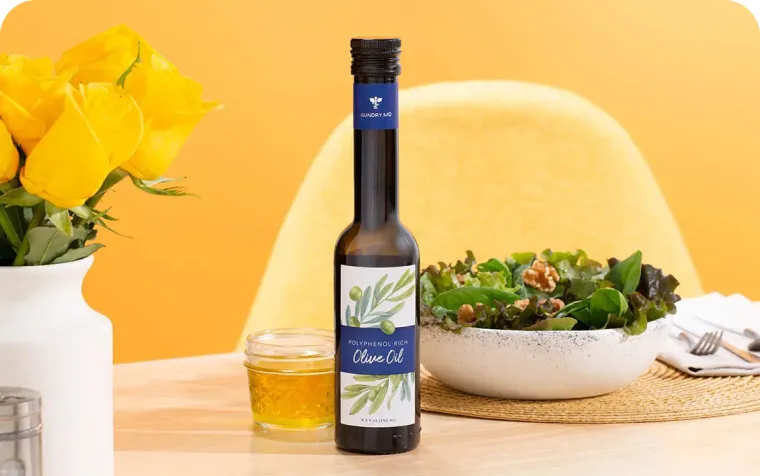
Dr. Gundry is a proponent of incorporating certain superfoods into your diet, which are not only lectin-free but teeming with nutrients and antioxidants. His top recommendations to include in your diet daily are avocados, walnuts, macadamia nuts, pistachios, extra-dark chocolate, and Extra Virgin Olive Oil.
To start your Lectin-Free Journey take a look at our catalog and start today by purchasing some of my Lectin Free products.
*Individual results can and will vary.
Sources
Make Gundry MD™ a part of your health and wellness lifestyle
Exclusive discounts, early access, free US shipping, Subscribe & Save!
Three of our bestselling gut-supporting Gundry MD formulas join together to create this digestion-boosting bundle.
Three of our bestselling gut-supporting Gundry MD formulas join together to create this digestion-boosting bundle.
Uncover the science behind our premium-quality ingredients and how they can contribute to your health goals.
Our most popular products
Gundry MD Coupons
Gundry MD Reviews
Most Popular Gundry MD Articles
5 Ways to Remove Lectins From Your Favorite Foods
Weekday Recipe Ideas For Breakfast, Lunch, And Dinner On A Lectin-free Diet
Top Foods For Mitochondrial Uncoupling
The Truth About Lectins In Rice: Does Rice Have Lectins?
The Dr. Gundry Diet Food List: A Comprehensive Lectin-Free Diet Plan
Is Wheatgrass Really Good For You?
A Quick Cereal Recipe For Your Breakfast (Lectin-free)
A Low-Lectin Lifestyle: Are Cucumbers High In Lectins?
Consuming Dairy Products On A Lectin-free Diet: What To Eat And What To Avoid
The Health Benefits Of The Coconut
What Dr. Gundry Wants You To Know About Chia Seeds
A Comprehensive List of “Deadly” Nightshades
7 High Sugar Fruits To Ban (Plus, Which Fruits To Eat Instead)
Reducing Dietary Lectins: Do Almonds Have Lectins?
How To Make Tomatoes Safer To Eat
Dr. Gundry’s Carrot Cake Muffins Recipe (Lectin-free)
How to Kick-Start a Lectin-free Diet (the 3-day detox)
Loading...