

Best Seller
Fave

Total Restore®
The Ultimate Gut Guardian
Regular Price
$69.95
Account Price
$49.95
Best Seller
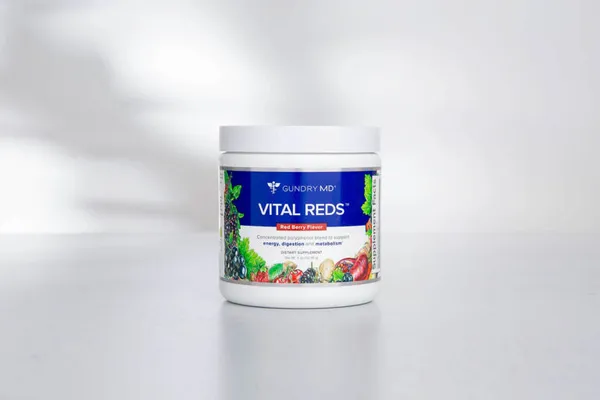
Vital Reds®
The Perfect Daily Pick-Me-Up†
Regular Price
$69.95
Account Price
$49.95

Home » Different Types Of Super Mushrooms And Their Benefits


You put them in your salads. You sauté them and put them on burgers. Sometimes, as in the case of portobello mushrooms, they can even replace burgers. But many mushrooms aren’t just tasty — they’re also superfoods. For instance, do you know about Chaga mushroom benefits? You can already find them as ingredients in some of your favorite recipes. But these super mushrooms add more than texture and flavor to your diet. They add many health benefits as well.
They won’t make you bulletproof, but superfoods can help you to feel as if you’re invulnerable. Superfoods are so-called because they are rich in potentially bioactive compounds. Those compounds may help support your cardiovascular health.1 Learn more about this Dr. Gundry approved superfood. Certain superfoods are also rich in antioxidant compounds, helping the body’s cells combat oxidative stress.2
There are no general scientific criteria for what makes a food a superfood. A food usually earns that title if it is especially dense in one or more of the following nutrients:
Evidence suggests that the nutrients in superfoods may support general health and well-being. Some may support normal energy levels and immune function. And super mushrooms are a varied and delicious way to include them in your diet.

Super mushrooms are exactly what they sound like. They’re mushrooms with beneficial, potentially powerful bioactive compounds. You may have heard them referred to by another term: medicinal mushrooms. Humans have been using mushrooms for their medicinal properties for thousands of years. Medicinal mushrooms have low energy density – in other words, they have fewer calories. Like most superfoods, they have a low fat content. And like many superfoods, they have a high fiber content as well. They may also contain:
And that’s just a small sampling of the many beneficial compounds in super mushrooms.9
Many super mushrooms may have overlapping health benefits. But different species can play different roles when it comes to your health.
Of all the super mushrooms, shiitake is probably the most well-known. It’s a staple of both Japanese and Chinese cuisine. Also known as Lentinula edodes, shiitake mushrooms may confer many health benefits. Shiitake mushrooms are rich in compounds like vitamin E and oleic acid, which can support healthy cholesterol levels.10 At least one study has shown that shiitake may also support the body’s immune response.11 Other studies show that shiitake can be a significant source of vitamin D when exposed to UV radiation. That means that shiitake mushrooms may even help support bone health.12

“Maitake” almost rhymes with “shiitake.” And it turns out, the two mushrooms share similar health benefits. Like shiitake, maitake mushrooms contain naturally occurring polysaccharides called glucans. Maitake mushrooms, also known as Grifola frondosa, are particularly rich in beta-glucans. Beta-glucans may provide support for the immune system.13,14 But while they may need shade to grow, maitake mushrooms don’t just stand in the shadow of shiitake. They stand on their own as a species of super mushroom. Maitake extract can have particular cardiovascular benefits as well.15

The lion’s mane mushroom’s name comes from its shaggy appearance. Lion’s mane, or Hericium erinaceus, contains neurotrophic factors including hericenones and erinacines. Those compounds may help your body maintain healthy nervous system function.16 Hericium erinaceus may also aid a healthy digestive system, specifically the gastrointestinal tract.17
The lion isn’t the only animal to lend its name to a mushroom. Another potent super mushroom is the turkey tail, or Trametes versicolor. (It also goes by the taxonomic designations Coriolus versicolor and Polyporus versicolor). It gets the name “turkey tail” from its many colors (hence “versicolor”) which resemble those of a wild turkey. Turkey tail mushrooms contain a whopping 38 different phenolic acids. Those compounds may provide support for both the immune system and cardiovascular systems.18 Turkey tail also contains bioactive compounds like flavonoids and terpenoids.19 Both flavonoids and terpenoids may aid the body’s antioxidant response.20-22

You may know Ganoderma lucidum by one of its more common names: reishi ganoderma (in the Japanese) or lingzhi ganoderma (in Chinese). In traditional Chinese medicine, lingzhi is the “herb of spiritual potency.” There may be good reason for that. So far, human experimental studies of reishi’s effects have been relatively small. Still, several studies suggest that G. lucidum may help to support regular blood sugar levels. It may also support healthy liver and gastrointestinal function.23

Super or not, the mushroom species that we eat for food are actually only parts of more complex organisms. The fruiting body of the mushroom is like a flower; the mycelium is its root system. It’s not the most obvious part of the organism, but it can be just as essential. Like the rest of the mushroom, mycelia are low in fat and rich in protein and fiber.24
Mushrooms may provide a lot of health benefits, but to get them, you may have to eat a lot of mushrooms. Luckily, you can reap those benefits from various nutritional supplements as well. Some supplements come in powder form. Others are available as capsules. Supplements may have an added benefit. These products don’t just contain the organic compounds present in the mushroom body. They may also contain mycelium extract. With supplements, you may be getting extra nutrients that would likely never appear on your plate.25 Maybe you’re looking to support your athletic performance. Or maybe you’re just hoping to feel more energy and a better sense of well-being. Whatever your needs, chances are there’s a super mushroom for you. There’s a fungus among us — in fact, there are many — and we’re better off for it. If you find this interesting, you will love reading about artichoke extract benefits. Learn More: Chaga Mushroom – Side Effects That You Must Know 4 Low Carb Recipes For Shirataki Noodles
Sources
Make Gundry MD™ a part of your health and wellness lifestyle
Exclusive discounts, early access, free US shipping, Subscribe & Save!
Three of our bestselling gut-supporting Gundry MD formulas join together to create this digestion-boosting bundle.
Three of our bestselling gut-supporting Gundry MD formulas join together to create this digestion-boosting bundle.
Uncover the science behind our premium-quality ingredients and how they can contribute to your health goals.
Our most popular products
Best Seller
Fave
The Ultimate Gut Guardian
Regular Price
$69.95
Account Price
$49.95
Best Seller
The Perfect Daily Pick-Me-Up†
Regular Price
$69.95
Account Price
$49.95
Gundry MD Coupons
Active Advantage Coupon
Energy Renew Coupon
Lectin Shield Coupon
Metabolic Advanced Coupon
Polyphenol Dark Spot Diminisher Coupon
Polyphenol Rich Olive Oil Coupon
PrebioThrive Coupon
Gundry MD Reviews
Active Advantage Customer Reviews
Bio Complete 3 Customer Reviews
Energy Renew Customer Reviews
Polyphenol Dark Spot Diminisher Customer Reviews
Polyphenol-Rich Olive Oil Customer Reviews
Most Popular Gundry MD Articles
5 Ways to Remove Lectins From Your Favorite Foods
Weekday Recipe Ideas For Breakfast, Lunch, And Dinner On A Lectin-free Diet
Top Foods For Mitochondrial Uncoupling
The Truth About Lectins In Rice: Does Rice Have Lectins?
The Dr. Gundry Diet Food List: A Comprehensive Lectin-Free Diet Plan
Is Wheatgrass Really Good For You?
A Quick Cereal Recipe For Your Breakfast (Lectin-free)
A Low-Lectin Lifestyle: Are Cucumbers High In Lectins?
Consuming Dairy Products On A Lectin-free Diet: What To Eat And What To Avoid
The Health Benefits Of The Coconut
What Dr. Gundry Wants You To Know About Chia Seeds
A Comprehensive List of “Deadly” Nightshades
7 High Sugar Fruits To Ban (Plus, Which Fruits To Eat Instead)
Reducing Dietary Lectins: Do Almonds Have Lectins?
How To Make Tomatoes Safer To Eat
Dr. Gundry’s Carrot Cake Muffins Recipe (Lectin-free)
How to Kick-Start a Lectin-free Diet (the 3-day detox)
Loading...