


Best Seller
Fave

Total Restore®
2229 reviews
The Ultimate Gut Guardian
Regular Price
$69.95
Account Price
$49.95
Best Seller
Vital Reds®
3753 reviews
The Perfect Daily Pick-Me-Up†
Regular Price
$69.95
Account Price
$49.95
Home » Are All Seeds Bad For You?


Lectins are carbohydrate-binding plant proteins that happen to be present in most seeds. But not all seeds are created equal. So how do you know if sunflower seeds, pumpkin seeds, chia seeds, and other fruit seeds are harmful? Well, you’ve come to the right place if you’re looking to discover how seeds can affect your health and well-being.
In the last couple of decades, research has shed light on lectins and scientists now know that many lectins are —
But are there lectins in all vegetable and fruit seeds? How do you know which seeds are good for a healthy diet and which are bad? Read on to discover the answer to the question: Are seeds bad for you?
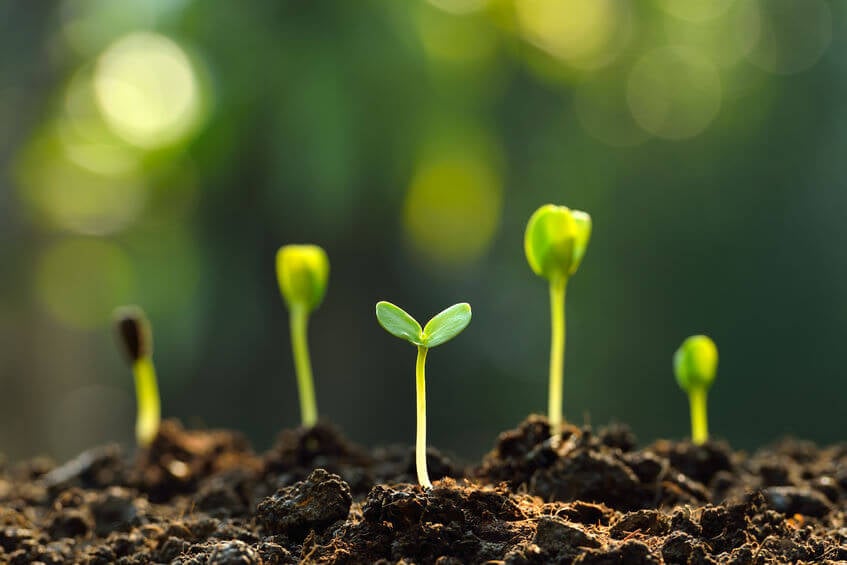
Merriam Webster defines a seed in the following way: “The fertilized ripened ovule of a flowering plant containing an embryo and capable normally of germination to produce a new plant.”2 In other words, seeds are plant babies. How cute, right? Not always.
But seeds do become the next generation of their particular plant species. And even botanists refer to plant seeds as babies. Nature challenges these plant babies in so many ways, so they’ve got to develop a thick skin and take down any threat.
Plant predators, like the animals and humans that eat plants, tend to want to eat their seeds, too. It is why most seeds, encased in a hard coating or shell, are designed to survive a trip through a predator’s gastrointestinal tract.
Turns out, many seeds do have natural toxins(aka lectins).3
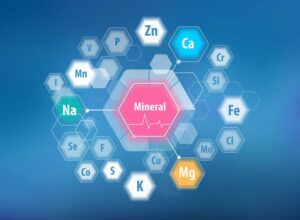
The phytic acid in some seeds can wreak havoc on your digestive system by binding some of the minerals you need most and keep them from being absorbed.
The following minerals are often seized by phytic acid —
Despite not getting the magnesium, zinc, and calcium you need, the lectins in some seeds can potentially irritate your gut lining and create swelling and discomfort in some people.6
The biggest offenders on the “Seeds To Avoid” list are these:
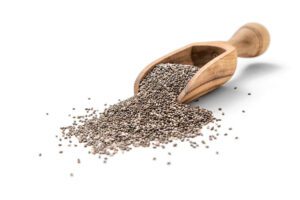
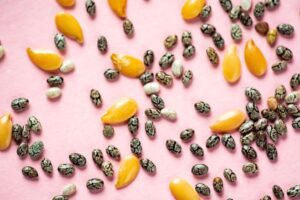
Chia seeds have been touted as a healthy food. This is mainly because they do happen to contain 6.5 grams of polyunsaturated fats (in the form of omega-3 fatty acids) per 28 grams (or 1 oz) of chia seeds. However, the primary fatty acid in chia seed is alpha-linolenic acid(ALA)… which can be complicated.7
This main fat in chia seeds has to convert into another kind of fatty acid in order to work in your body. But humans are able to convert ALA to useful, healthy fats all that easily.8 Therefore, chia seeds just don’t quite cut the mustard.
Furthermore, when it comes to the supposed health benefits of chia seeds, there really are no studies that show that the antioxidants in chia seeds can prevent or repair the skin damage caused by free radicals. Nor are the studies about chia seeds helping your heart health consistent. Finally, there is close to no evidence that chia seeds support metabolic health, weight loss, or athletic performance.
Additionally, there is a goopy, translucent gel surrounding every chia seed. And when consumed, it can create a barrier that might compromise your body’s ability to carry out the process of digestion. That watery gel may also hinder fat absorption.10
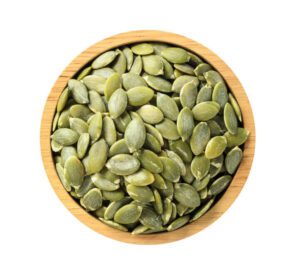
Pumpkin seeds are fun to roast and eat during the fall, but can they do damage to your health and well-being? In a word: yes.
When you consume certain kinds of seeds, you run the risk of experiencing a negative health defect known as a bezoar. A bezoar is a mass of indigestible food material.
Often, these solid masses end up impacting your stomach. But in the case of pumpkin seeds, a recent report stated that pumpkin seeds were linked to a solid mass that incited fecal impaction. These situations can sometimes be complicated by gastrointestinal bleeding, too.11
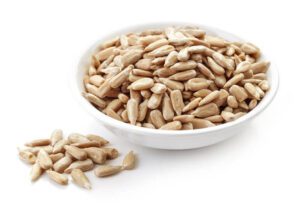
Sunflower seeds have become a favorite snack among Americans. But those little sunflower seeds aren’t all they’re cracked up to be. For starters, regular consumption of sunflower seeds might actually aggravate your skin.12
But part of what makes sunflower seeds harmful is the fact that they contain the following anti-nutrients: phytic acid, alpha-amylase inhibitor, and even cyanide.13 Who knew sunflower seeds were working against you?
Thing is, these compounds can stand in the way of some essential bodily functions. For instance, proteases are enzymes that help your body break down protein. The protease inhibitors — found in sunflower seeds and some other seeds — bind to protein making them impossible to digest.14
Protease inhibitors — like the ones found in sunflower seeds — are sometimes linked to the following negative effects:
Do you still care to take sunflower seeds to that baseball game? Maybe now you’ll think twice.
Of course, not all seeds are created equal. There are several seeds you should feel encouraged to enjoy (in moderation).
Flaxseeds do happen to contain almost 3 grams of polyunsaturated fats (or omega-3 fatty acids) per 10 grams (or a single tablespoon), good for you polyphenols, and dietary fiber.17,18
If you forget which seeds tend to help your body and which seeds tend to harm your body… simply refer to this list of Gundry-approved foods. You’ll also find the foods to avoid on this list.
Plus, if you ditch those bad-for-you seeds, you’ll hold onto the nutrients your body needs like magnesium, iron, and zinc.
In the end, swapping out destructive fruit seeds, pumpkin seeds, sunflower seeds, and chia seeds for beneficial flaxseeds, hemp seeds, sesame seeds, and psyllium seeds can help you when you’re looking to flavor your favorite dishes or simply snack on something tasty with a bit of crunch.
Sources
1. https://www.ncbi.nlm.nih.gov/pmc/articles/PMC1115436/
2. https://www.merriam-webster.com/dictionary/seed
3. https://www.dukehealth.org/blog/are-seeds-really-healthy-or-just-trendy
4. https://www.dukehealth.org/blog/are-seeds-really-healthy-or-just-trendy
5. https://thepaleodiet.com/seed-fatty-acid-composition/
6. https://www.dukehealth.org/blog/are-seeds-really-healthy-or-just-trendy
7. https://nutritiondata.self.com/facts/nut-and-seed-products/3061/2
8. https://thepaleodiet.com/dr-loren-cordain/
9. https://healthybutsmart.com/chia-seeds/
10. https://thepaleodiet.com/seed-fatty-acid-composition/
11. https://www.ncbi.nlm.nih.gov/pmc/articles/PMC5371720/
12. https://www.ncbi.nlm.nih.gov/pubmed/26473070
13. https://openbiotechnologyjournal.com/VOLUME/13/PAGE/68/FULLTEXT/
14. https://openbiotechnologyjournal.com/VOLUME/13/PAGE/68/FULLTEXT/
15. https://www.sciencedirect.com/topics/neuroscience/protease-inhibitors
16. https://www.ncbi.nlm.nih.gov/pubmed/8310991
17. https://www.ncbi.nlm.nih.gov/pmc/articles/PMC4152533/
18. https://nutritiondata.self.com/facts/nut-and-seed-products/3163/2
Make Gundry MD™ a part of your health and wellness lifestyle
Exclusive discounts, early access, free US shipping, Subscribe & Save!
Three of our bestselling gut-supporting Gundry MD formulas join together to create this digestion-boosting bundle.
Three of our bestselling gut-supporting Gundry MD formulas join together to create this digestion-boosting bundle.
Uncover the science behind our premium-quality ingredients and how they can contribute to your health goals.
Our most popular products
Best Seller
Fave
The Ultimate Gut Guardian
Regular Price
$69.95
Account Price
$49.95
Best Seller
The Perfect Daily Pick-Me-Up†
Regular Price
$69.95
Account Price
$49.95
Gundry MD Coupons
Active Advantage Coupon
Energy Renew Coupon
Lectin Shield Coupon
Metabolic Advanced Coupon
Polyphenol Dark Spot Diminisher Coupon
Polyphenol Rich Olive Oil Coupon
PrebioThrive Coupon
Gundry MD Reviews
Active Advantage Customer Reviews
Bio Complete 3 Customer Reviews
Energy Renew Customer Reviews
Polyphenol Dark Spot Diminisher Customer Reviews
Polyphenol-Rich Olive Oil Customer Reviews
Most Popular Gundry MD Articles
5 Ways to Remove Lectins From Your Favorite Foods
Weekday Recipe Ideas For Breakfast, Lunch, And Dinner On A Lectin-free Diet
Top Foods For Mitochondrial Uncoupling
The Truth About Lectins In Rice: Does Rice Have Lectins?
The Dr. Gundry Diet Food List: A Comprehensive Lectin-Free Diet Plan
Is Wheatgrass Really Good For You?
A Quick Cereal Recipe For Your Breakfast (Lectin-free)
A Low-Lectin Lifestyle: Are Cucumbers High In Lectins?
Consuming Dairy Products On A Lectin-free Diet: What To Eat And What To Avoid
The Health Benefits Of The Coconut
What Dr. Gundry Wants You To Know About Chia Seeds
A Comprehensive List of “Deadly” Nightshades
7 High Sugar Fruits To Ban (Plus, Which Fruits To Eat Instead)
Reducing Dietary Lectins: Do Almonds Have Lectins?
How To Make Tomatoes Safer To Eat
Dr. Gundry’s Carrot Cake Muffins Recipe (Lectin-free)
How to Kick-Start a Lectin-free Diet (the 3-day detox)
Loading...