Lemonade Sale: Save 10% On Refreshing Drink Formulas With Code LEMONADE
For 10% Off + A FREE Gift!
SHOP NOW



Home » Top Foods For Mitochondrial Uncoupling
Top Foods For Mitochondrial Uncoupling
- Gundry MD Team


What if you were to learn that the key to a successful keto diet is not carb restriction, but that it is, in fact, a cellular process known as “mitochondrial uncoupling”? Recent research shows that ketones may not be the magical fuel source scientists once thought they were. In actuality, ketones act as messengers that tell your mitochondria to uncouple – a powerful mechanism that supports weight loss and better overall health.1
But what is uncoupling, and… what are mitochondria, again? Read on to learn the basics of mitochondrial uncoupling and how you can encourage this process with the foods you eat and when you eat them.
Table of Contents
•What Do Mitochondria Do In The Body?
•How Mitochondria Make Energy
•What Is Mitochondrial Uncoupling?
•What Does Mitochondrial Uncoupling Do For You? (What Are The Potential Benefits?)
•How Your Diet Is Linked To Mitochondrial Uncoupling
•Top Foods To Help Support Mitochondrial Uncoupling
•Cruciferous Vegetables
•Other Postbiotic-Boosting Vegetables
•Melatonin-Rich Foods
•Leafy Greens
•Fruits That Act Like Fats
•Uncoupling Oils
•Some Resistant Starches
•Nuts And Seeds
•Pastured Poultry
•Wild-Caught Seafood
•Meat
•Polyphenol-Rich Fruits
•Dairy Products And Replacements
•Foods To Skip
•Eat Your Way To More Efficient Uncoupling
What Do Mitochondria Do In The Body?
You may have heard mitochondria referred to as the “powerhouse of the cell.” Indeed, these organelles create power for our bodies by converting the food we eat into energy that our cells can use.
To play this role, they convert glucose, amino acids, and fatty acids (that come from carbohydrates, proteins, and fats that we eat) into a molecule called adenosine triphosphate, or ATP. ATP is the energy currency of the cell.2
How Mitochondria Make Energy
The process where mitochondria convert food and oxygen into energy is called cellular respiration. While this is a complicated process, here is a basic look at how it functions:
- The food we eat is broken down into carbon molecules.
- These carbon molecules enter the mitochondria and interact with positively-charged protons and negatively-charged electrons, ramping up their charge.
- Some protons and electrons couple with oxygen molecules and then leave the mitochondria, creating ATP (energy) in the process.
- This coupling process creates byproducts of CO2, reactive oxygen species (ROSs), and more.
- In certain cases, mitochondria also use ketones to make energy.3
Knowing the basics of this process is key to understanding mitochondrial uncoupling.
What Is Mitochondrial Uncoupling?

When mitochondria starts to get overly crowded with charged particles, some of them will burst out to reduce the tension. Under certain circumstances, your cell will make more mitochondria (mitogenesis) to accommodate all of the particles looking to couple. To make this happen, your body uses ketones, fat stores, and unique proteins called uncoupling proteins.
Uncoupling proteins make it possible for uncoupled protons to leave mitochondria – wasting calories in the process. Any process where electrons or protons leave the mitochondria without making ATP is called mitochondrial uncoupling.4,5
What Does Mitochondrial Uncoupling Do For You? (What Are The Potential Benefits?)
- Uncoupling “wastes calories” by allowing particles to leave mitochondria instead of making fuel.
- This protects mitochondrial health, as mitochondria with too many particles and too many ROSs’ can be damaging.
- It also produces heat through a process called thermogenesis.
- Thermogenesis supports weight loss, vitality, and optimal health.6
How Your Diet Is Linked To Mitochondrial Uncoupling
Your diet is inextricably linked to your mitochondrial health. What, when, and how long you eat can all affect mitochondrial health. Many compounds that come from the diet can help signal to mitochondria and let them know that it’s time to uncouple. These are the most powerful diet-related mechanisms for mitochondrial uncoupling:
- Intermittent Fasting. Calorie restriction for more than 12 hours at a time is linked to ketone production, mitochondrial uncoupling, and many more potential health benefits.7
- Polyphenols. These micronutrients found in plants can support the body’s natural ability to protect your cells from oxidation and encourage mitochondrial uncoupling.8,9
- Dietary Fiber. Fiber acts as a prebiotic that fuels beneficial gut bacteria, allowing them to thrive and signaling them to make postbiotics, like acetate and butyrate. These postbiotics support your body in making ketones and the process of mitochondrial uncoupling.10
- Fermented Foods. In addition to prebiotics, most fermented foods contain postbiotics, like acetate, butyrate, and malic acid. These fermentation byproducts may promote mitochondrial uncoupling.11
- Polyamines. Organic compounds found in certain foods, like mushrooms and aged cheese, may help uncouple mitochondria.12
Top Foods To Help Support Mitochondrial Uncoupling
Time to drill down to specifics. Given everything that scientists know about mitochondrial uncoupling and its links to thermogenesis, weight loss, vitality, and overall health – what exactly should you eat? If you’re interested in optimizing your body’s mitochondrial health, and feeling energized after 40, here are some recommended foods.

Cruciferous Vegetables
Cruciferous vegetables fuel postbiotics, which help with mitochondrial uncoupling. Here are some ideas for delicious cruciferous vegetables:
- Broccoli
- Brussels sprouts
- Cabbage
- Cauliflower
- Kale13
Other Postbiotic-Boosting Vegetables
Beyond the cruciferous vegetable family, many other veggies are able to boost postbiotics and encourage mitochondrial uncoupling. Here are a few more examples:
- Artichokes
- Asparagus
- Beets
- Carrots
- Garlic
- Leeks
- Mushrooms
- Parsnips
- Radishes14
Melatonin-Rich Foods
Here are several foods that contain melatonin.
- Pistachios
- Mushrooms
- Black rice (pressure cook, cool, and reheat it to help remove lectins)
- Olive oil
- Red wine (in moderation)
- Strawberries15
Leafy Greens
Leafy greens are great for boosting mitochondrial uncoupling. Here are a few ideas:
- Soft herbs, like basil, cilantro, mint, and parsley
- Butter lettuce
- Romaine
- Seaweed
- Spinach16
Fruits That Act Like Fats

Short and long-chain omega-3 and long-chain omega-6 fatty acids support the health of mitochondrial membranes and ensure that ATP production runs smoothly. Some fats house uncoupling proteins in their mitochondrial membranes and promote uncoupling. For optimal mitochondrial health, eat plenty of these fruits that act like fats:
- Avocado
- Olives17
Uncoupling Oils
Many oils contain long-chain fatty acids that can optimize mitochondrial function and help promote uncoupling. Some of these oils, like olive oil, which contains oleic acid, are also carriers for polyphenols.
- Avocado oil
- Coconut oil
- MCT oil
- MCT oil powder
- Extra virgin olive oil
- Sesame oil18
Some Resistant Starches
You’ll want to avoid lectin-rich foods, like whole wheat. Lectins can damage digestive and immune health, create digestive issues, and lead to body weight gain. But some starches are on the “yes” list, particularly those that are resistant. Resistant starches resist digestion and act as fiber in the body.19 Examples include:
- Some grain-free bread and wraps made with coconut flour, cassava flour, or almond flour
- Cassava
- Green banana
- Sweet potatoes or yams
- Yucca
Nuts And Seeds
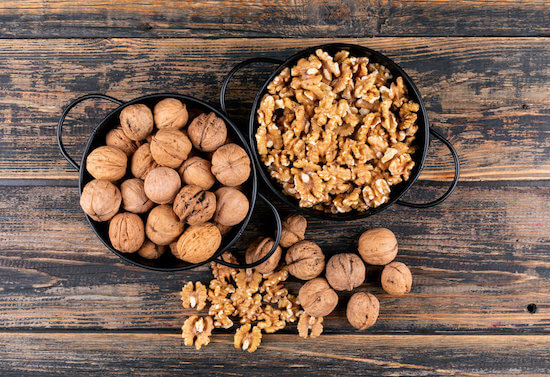
Some types of nuts and seeds are good sources of polyamines and polyphenols that can help with uncoupling. Here are some ideas for nuts and seeds to add to your diet.
- Chestnuts
- Flaxseeds
- Macadamia nuts
- Marcona almonds
- Pecans
- Pine nuts
- Walnuts20
Pastured Poultry
When eating for top mitochondrial health, there’s no need to overdo it on the protein. Diets that are very high in protein sometimes lack fiber and polyphenols that can help with mitochondrial decoupling. Instead, go for quality. If you enjoy poultry, consider eating up to 4 ounces per day of these foods:
- Pasture raised poultry
- Pastured or omega-3 eggs21
Wild-Caught Seafood
Dr. Gundry recommends including wild fish and shellfish in your diet. Fish are great sources of omega-3 fatty acids and phospholipids. When it comes to staying safe from mercury and other heavy metals, the smaller the fish, the better. Sardines, herring, and anchovies are all great choices. Here are some other ideas:
- Alaskan salmon
- Cod
- Crab
- Halibut
- Lobster
- Scallops
- Shrimp (wild only)
- Trout22
Meat
When it comes to meat, you want to watch your quantity and quality. Go for 100% grass-fed and grass-finished and consume only in moderation. These meats should be free from antibiotics, hormones, and pesticides that could harm your microbiome.
- Beef
- Bison
- Boar
- Lamb
- Venison
- Pork23
Polyphenol-Rich Fruits

It’s best to save fruit for a treat when it is in season. Fruits are rich in polyphenols. Here are some of the fruits that Dr. Gundry recommends to promote mitochondrial uncoupling.
- Blackberries
- Blueberries
- Pomegranates
- Raspberries24
Dairy Products And Replacements
In the United States, most cow milk products come from cows that produce milk that contains A 1 beta-casein, a highly inflammatory protein. Whenever possible, opt for dairy products from goat, sheep, or A2 beta-casein cows (mostly European). The right dairy products contain MCTs and can support ketone production and uncoupling.
- Aged cheese from Switzerland
- Buffalo mozzarella
- Coconut yogurt
- Goat’s milk cheese
- Parmigiano-Reggiano cheese
- Organic cream cheese25
Foods To Skip
These foods contain heavy amounts of potentially harmful lectins.
- Refined, starchy foods, like bread, baked goods, chips, and rice
- Grains, sprouted grains, pseudograins, and grasses, like corn, oats, and wheatgrass
- Sugar and artificial sweeteners, like agave, coconut sugar, and Splenda
- Lectin-containing vegetables, like beans, edamame, peas, and soy products
- Some nuts and seeds, like regular almonds, peanuts, and sunflower seeds
- Some fruits, like cucumbers, melons, and tomatoes (some we call vegetables)
- A1 milk products, like butter, cheese, and most ice cream
- All “partially hydrogenated” oils, peanut oil, and “vegetable” oil
- Seasonings, like ketchup, soy sauce, and Worcestershire sauce26
Eat Your Way To More Efficient Uncoupling
Now that you know how the foods you consume can help harness the power of your mitochondria, you may find yourself enjoying more youthful energy, smoother digestion, weight loss success, and a sense of better overall health. It’s time to eat your way toward more uncoupling.
Sources
- Unlocking The Keto Code by Dr. Steven Gundry
- https://www.medicalnewstoday.com/articles/320875#aging
- Unlocking The Keto Code by Dr. Steven Gundry
- Unlocking The Keto Code by Dr. Steven Gundry
- https://www.ncbi.nlm.nih.gov/pmc/articles/PMC2924931/
- Unlocking The Keto Code by Dr. Steven Gundry
- https://journals.sagepub.com/doi/full/10.1177/09727531211072303
- https://www.frontiersin.org/articles/10.3389/fnut.2018.00087/full
- https://www.ncbi.nlm.nih.gov/pmc/articles/PMC6164046/
- Unlocking The Keto Code by Dr. Steven Gundry
- https://pubmed.ncbi.nlm.nih.gov/31719611/
- https://pubmed.ncbi.nlm.nih.gov/17485446/
- Unlocking The Keto Code by Dr. Steven Gundry
- Unlocking The Keto Code by Dr. Steven Gundry
- Unlocking The Keto Code by Dr. Steven Gundry
- Unlocking The Keto Code by Dr. Steven Gundry
- Unlocking The Keto Code by Dr. Steven Gundry
- Unlocking The Keto Code by Dr. Steven Gundry
- https://www.healthline.com/nutrition/resistant-starch-101
- Unlocking The Keto Code by Dr. Steven Gundry
- Unlocking The Keto Code by Dr. Steven Gundry
- Unlocking The Keto Code by Dr. Steven Gundry
- Unlocking The Keto Code by Dr. Steven Gundry
- Unlocking The Keto Code by Dr. Steven Gundry
- Unlocking The Keto Code by Dr. Steven Gundry
- Unlocking The Keto Code by Dr. Steven Gundry
Loading comments...
Deals and offers
Make Gundry MD™ a part of your health and wellness lifestyle
Save immediately
with your free
My Health Account
Exclusive discounts, early access, free US shipping, Subscribe & Save!
Subscribe to Your Health magazine
Three of our bestselling gut-supporting Gundry MD formulas join together to create this digestion-boosting bundle.
Save time & money with subscriptions
Three of our bestselling gut-supporting Gundry MD formulas join together to create this digestion-boosting bundle.
Ingredient Resource Center
Uncover the science behind our premium-quality ingredients and how they can contribute to your health goals.
Our most popular products
Gundry MD Coupons
Gundry MD Reviews
Most Popular Gundry MD Articles
5 Ways to Remove Lectins From Your Favorite Foods
Weekday Recipe Ideas For Breakfast, Lunch, And Dinner On A Lectin-free Diet
Top Foods For Mitochondrial Uncoupling
The Truth About Lectins In Rice: Does Rice Have Lectins?
The Dr. Gundry Diet Food List: A Comprehensive Lectin-Free Diet Plan
Is Wheatgrass Really Good For You?
A Quick Cereal Recipe For Your Breakfast (Lectin-free)
A Low-Lectin Lifestyle: Are Cucumbers High In Lectins?
Consuming Dairy Products On A Lectin-free Diet: What To Eat And What To Avoid
The Health Benefits Of The Coconut
What Dr. Gundry Wants You To Know About Chia Seeds
A Comprehensive List of “Deadly” Nightshades
7 High Sugar Fruits To Ban (Plus, Which Fruits To Eat Instead)
Reducing Dietary Lectins: Do Almonds Have Lectins?
How To Make Tomatoes Safer To Eat
Dr. Gundry’s Carrot Cake Muffins Recipe (Lectin-free)
How to Kick-Start a Lectin-free Diet (the 3-day detox)
Loading...