

Best Seller
Fave

Total Restore®
The Ultimate Gut Guardian
Regular Price
$69.95
Account Price
$49.95
Best Seller
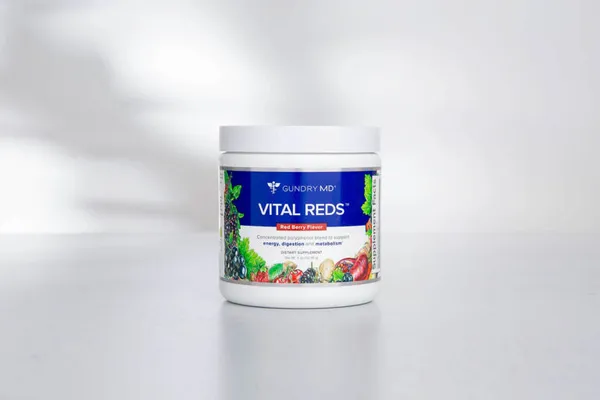
Vital Reds®
The Perfect Daily Pick-Me-Up†
Regular Price
$69.95
Account Price
$49.95

Home » Benefits Of Amino Acids: Why Should You Be Consuming Them?


Amino acids may be a popular term within the weight-lifting and fitness industries, but it shouldn’t necessarily be pigeon-holed into the idea that it’s only for muscle maniacs. Why? Because amino acids are important to your overall health and can play a much more substantial role than supporting your athletic performance. Dietary supplements and high-protein foods are all you hear about when it comes to the health of your muscles. But there’s more to building and maintaining lean muscle mass than you may know. So, what are amino acids? Continue reading to why amino acids should be an essential part of every diet.
Amino acids belong to a group of organic compounds often referred to as the building blocks of proteins. And, contrary to popular belief, the 20 common amino acids are present in both plant life and in animals. Amino acids play a huge part in many of the chemical responses in your body that help your body maintain its regular functions. Turns out all food proteins — except gelatin — contain some of each amino acid. Amino acids are necessary when it comes to protein synthesis and the synthesis of other important nitrogen-containing compounds such as:
Amino acids are broken into three groups: essential, nonessential, and conditional. Let’s take a look at each.
Essential Amino Acids: Essential amino acids cannot be produced by the body. Essential amino acids are amino acids that have to be consumed from an external source — like food or dietary supplements. Essential amino acids leucine and isoleucine are examples.2
Nonessential amino acids: Nonessential amino acids, such as glutamine and glycine, are the amino acids your body can produce naturally. Therefore, your body doesn’t require food or supplementation to get the proper amounts.3
Conditional amino acids: These amino acids are only essential under certain circumstances. For example, if your body is defending itself against some kind of illness or if you’re experiencing stress. Glycine is one example of a conditional amino acid.4


Now, if you eat a well-balanced diet you can help ensure you’re getting the amino acids you need. Unfortunately, if you’re unable to get enough of the right amino acids, your body won’t be able to properly create proteins, which might lead to weakened muscle tissue. 5
Naturally, the process of aging is linked to a loss of muscle mass which may increase your risk of injury. The good news is that older muscles can still respond to amino acids. 6
So, it’s important to get your essential amino acids and look forward to the benefits of branched-chain amino acids(BCAAs), like leucine and isoleucine. BCAAs and essential amino acids are known to stimulate muscle protein synthesis in the aging population.7
Essential amino acids and BCAAs are the main carriers of amino nitrogen between the gut and skeletal muscle and they are responsible for directly stimulating muscle protein synthesis. Leucine is the strongest BCAA when it comes to promoting muscle protein synthesis. 8 Dietary supplementation with essential amino acids and branched-chain amino acids can…
Most often, a person will become deficient in amino acids if they are undernourished. Therefore, malnutrition and amino acid deficiency may have similar characteristics such as:
By eating a well-balanced diet you can help ensure you’re getting the amino acids you need.11 If you have any questions or concerns about your amino acid intake, speak with your doctor. Your doctor might be able to screen your plasma amino acids to check the number of amino acids present in your blood.

With your doctor’s approval, there are a couple of things you might try to make sure you get the right amount of amino acids, daily. An oral supplement could work well for you. Or, you can commit to eating foods with higher amino acid content. Again, amino acids are found primarily in animal and plant-based foods. The following foods are excellent natural sources of amino acids, and they’re lectin-free —

A well-balanced diet containing several ingredients from the list above might help you get the essential amino acids that you need in order to exercise healthily and help your muscles post-workout. It’s important to note that if you workout often, you may need more amino acids than those who are more sedentary. You may also need more amino acids as you age. Talk to your doctor about the proper intake for your age and activity level. Again, amino acids tend to be involved in nearly every bodily function like muscle growth, tissue repair, digestion, and making sure you have enough energy to get through each day. Regardless of whether you go with a dietary supplement or simply make positive changes to your diet, it’s important to get enough amino acids to keep your muscles healthy and strong.
Disclosure: The GundryMD team creates these articles as a way to provide you with the latest information on health and nutrition. Unfortunately, we cannot make specific product recommendations for our website visitors, such as “ProPlant Complete Shake” or “Primal Plants” Please consult with your healthcare provider to determine the best products for you.
Learn More: https://gundrymd.com/ketogenic-diet-myths-debunked/ https://gundrymd.com/impossible-burger-healthy/ https://gundrymd.com/healthy-hair-skin-nails-foods/
Sources
Amino acids may be a popular term within the weight-lifting and fitness industries, but it shouldn’t necessarily be pigeon-holed into the idea that it’s only for muscle maniacs. Why? Because amino acids are important to your overall health and can play a much more substantial role than supporting your athletic performance. Dietary supplements and high-protein foods are all you hear about when it comes to the health of your muscles. But there’s more to building and maintaining lean muscle mass than you may know. So, what are amino acids? Continue reading to why amino acids should be an essential part of every diet.
Amino acids belong to a group of organic compounds often referred to as the building blocks of proteins. And, contrary to popular belief, the 20 common amino acids are present in both plant life and in animals. Amino acids play a huge part in many of the chemical responses in your body that help your body maintain its regular functions. Turns out all food proteins — except gelatin — contain some of each amino acid. Amino acids are necessary when it comes to protein synthesis and the synthesis of other important nitrogen-containing compounds such as:
Amino acids are broken into three groups: essential, nonessential, and conditional. Let’s take a look at each.
Essential Amino Acids: Essential amino acids cannot be produced by the body. Essential amino acids are amino acids that have to be consumed from an external source — like food or dietary supplements. Essential amino acids leucine and isoleucine are examples.2
Nonessential amino acids: Nonessential amino acids, such as glutamine and glycine, are the amino acids your body can produce naturally. Therefore, your body doesn’t require food or supplementation to get the proper amounts.3
Conditional amino acids: These amino acids are only essential under certain circumstances. For example, if your body is defending itself against some kind of illness or if you’re experiencing stress. Glycine is one example of a conditional amino acid.4
Now, if you eat a well-balanced diet you can help ensure you’re getting the amino acids you need. Unfortunately, if you’re unable to get enough of the right amino acids, your body won’t be able to properly create proteins, which might lead to weakened muscle tissue. 5
Naturally, the process of aging is linked to a loss of muscle mass which may increase your risk of injury. The good news is that older muscles can still respond to amino acids. 6
So, it’s important to get your essential amino acids and look forward to the benefits of branched-chain amino acids(BCAAs), like leucine and isoleucine. BCAAs and essential amino acids are known to stimulate muscle protein synthesis in the aging population.7
Essential amino acids and BCAAs are the main carriers of amino nitrogen between the gut and skeletal muscle and they are responsible for directly stimulating muscle protein synthesis. Leucine is the strongest BCAA when it comes to promoting muscle protein synthesis. 8 Dietary supplementation with essential amino acids and branched-chain amino acids can…
Most often, a person will become deficient in amino acids if they are undernourished. Therefore, malnutrition and amino acid deficiency may have similar characteristics such as:
By eating a well-balanced diet you can help ensure you’re getting the amino acids you need.11 If you have any questions or concerns about your amino acid intake, speak with your doctor. Your doctor might be able to screen your plasma amino acids to check the number of amino acids present in your blood.
With your doctor’s approval, there are a couple of things you might try to make sure you get the right amount of amino acids, daily. An oral supplement could work well for you. Or, you can commit to eating foods with higher amino acid content. Again, amino acids are found primarily in animal and plant-based foods. The following foods are excellent natural sources of amino acids, and they’re lectin-free —
A well-balanced diet containing several ingredients from the list above might help you get the essential amino acids that you need in order to exercise healthily and help your muscles post-workout. It’s important to note that if you workout often, you may need more amino acids than those who are more sedentary. You may also need more amino acids as you age. Talk to your doctor about the proper intake for your age and activity level. Again, amino acids tend to be involved in nearly every bodily function like muscle growth, tissue repair, digestion, and making sure you have enough energy to get through each day. Regardless of whether you go with a dietary supplement or simply make positive changes to your diet, it’s important to get enough amino acids to keep your muscles healthy and strong.
Disclosure: The GundryMD team creates these articles as a way to provide you with the latest information on health and nutrition. Unfortunately, we cannot make specific product recommendations for our website visitors, such as “ProPlant Complete Shake” or “Primal Plants” Please consult with your healthcare provider to determine the best products for you.
Learn More: https://gundrymd.com/ketogenic-diet-myths-debunked/ https://gundrymd.com/impossible-burger-healthy/ https://gundrymd.com/healthy-hair-skin-nails-foods/
Sources
Make Gundry MD™ a part of your health and wellness lifestyle
Exclusive discounts, early access, free US shipping, Subscribe & Save!
Three of our bestselling gut-supporting Gundry MD formulas join together to create this digestion-boosting bundle.
Three of our bestselling gut-supporting Gundry MD formulas join together to create this digestion-boosting bundle.
Uncover the science behind our premium-quality ingredients and how they can contribute to your health goals.
Our most popular products
Best Seller
Fave
The Ultimate Gut Guardian
Regular Price
$69.95
Account Price
$49.95
Best Seller
The Perfect Daily Pick-Me-Up†
Regular Price
$69.95
Account Price
$49.95
Gundry MD Coupons
Active Advantage Coupon
Energy Renew Coupon
Lectin Shield Coupon
Metabolic Advanced Coupon
Polyphenol Dark Spot Diminisher Coupon
Polyphenol Rich Olive Oil Coupon
PrebioThrive Coupon
Gundry MD Reviews
Active Advantage Customer Reviews
Bio Complete 3 Customer Reviews
Energy Renew Customer Reviews
Polyphenol Dark Spot Diminisher Customer Reviews
Polyphenol-Rich Olive Oil Customer Reviews
Most Popular Gundry MD Articles
5 Ways to Remove Lectins From Your Favorite Foods
Weekday Recipe Ideas For Breakfast, Lunch, And Dinner On A Lectin-free Diet
Top Foods For Mitochondrial Uncoupling
The Truth About Lectins In Rice: Does Rice Have Lectins?
The Dr. Gundry Diet Food List: A Comprehensive Lectin-Free Diet Plan
Is Wheatgrass Really Good For You?
A Quick Cereal Recipe For Your Breakfast (Lectin-free)
A Low-Lectin Lifestyle: Are Cucumbers High In Lectins?
Consuming Dairy Products On A Lectin-free Diet: What To Eat And What To Avoid
The Health Benefits Of The Coconut
What Dr. Gundry Wants You To Know About Chia Seeds
A Comprehensive List of “Deadly” Nightshades
7 High Sugar Fruits To Ban (Plus, Which Fruits To Eat Instead)
Reducing Dietary Lectins: Do Almonds Have Lectins?
How To Make Tomatoes Safer To Eat
Dr. Gundry’s Carrot Cake Muffins Recipe (Lectin-free)
How to Kick-Start a Lectin-free Diet (the 3-day detox)
Loading...